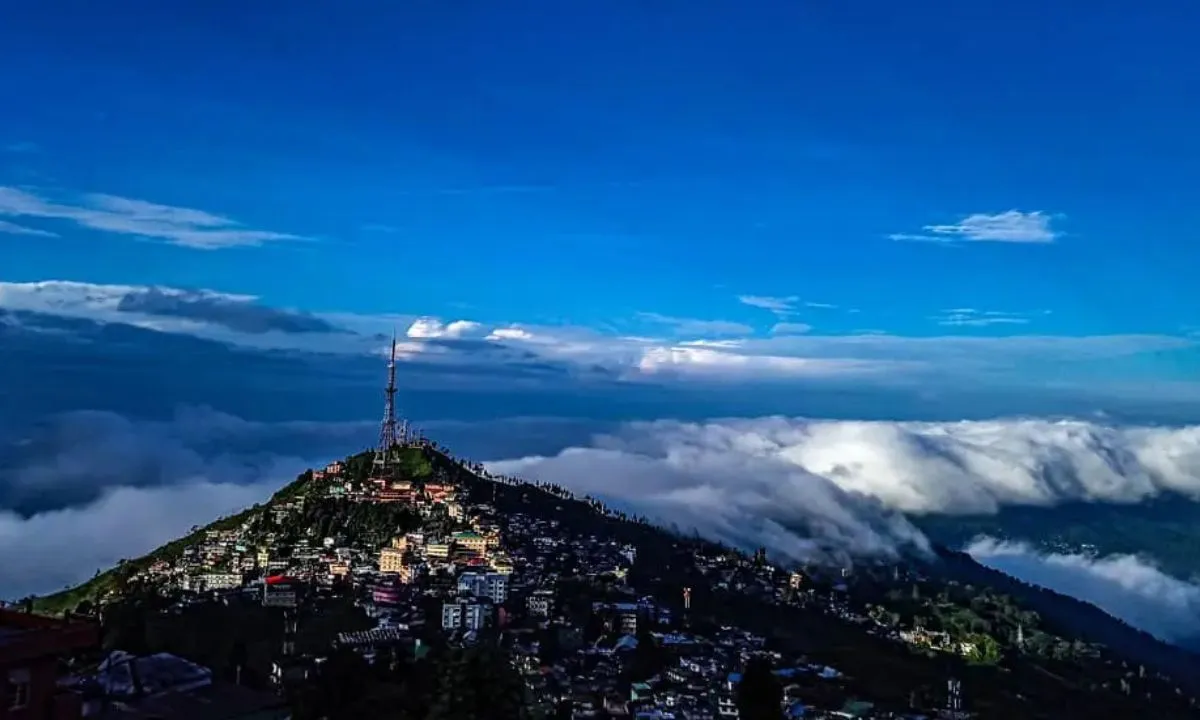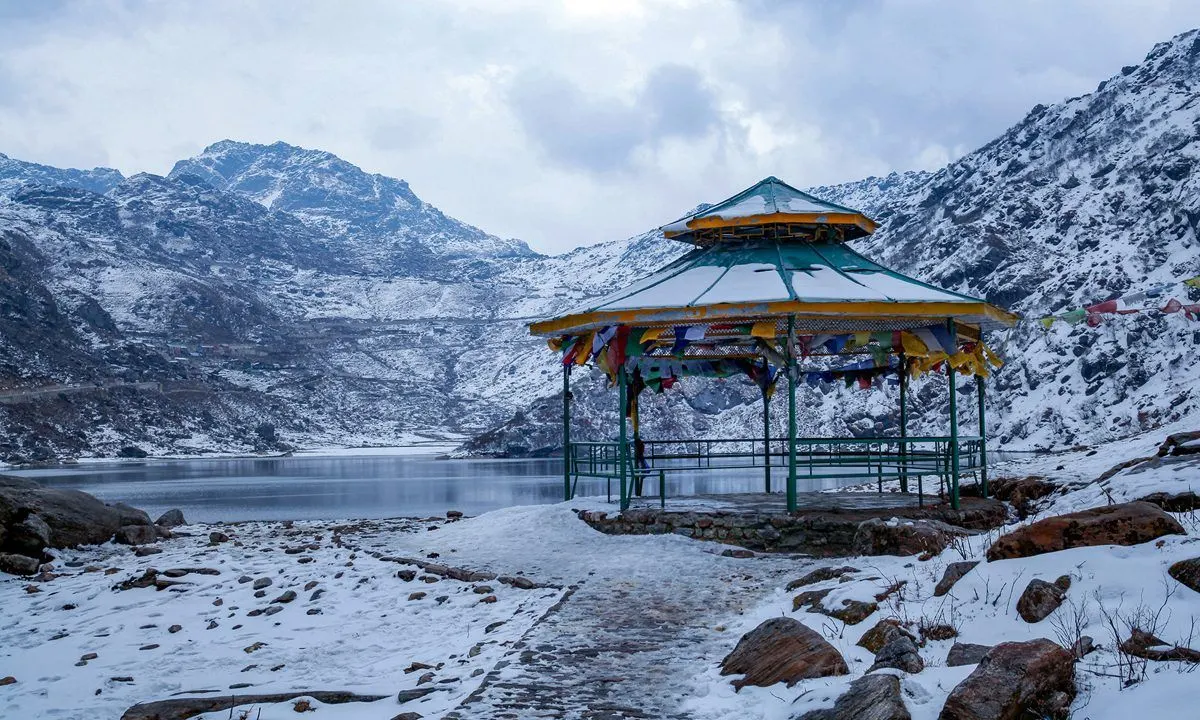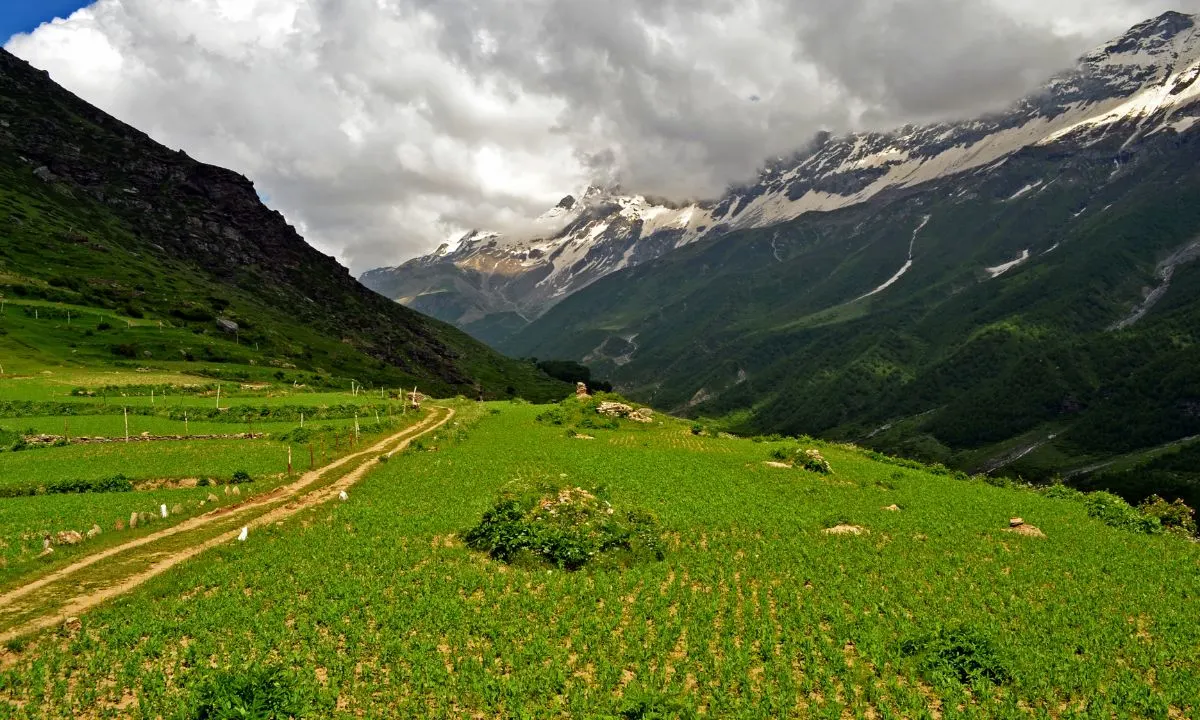
Planning a peaceful hill escape and wondering which Kurseong tourist places are truly worth it? Many travelers ask if Kurseong is just a stop between Siliguri and Darjeeling or a destination of its own, and the good news is that this small town offers serene viewpoints, heritage museums, misty forests, and iconic tea estates that make it a charming getaway on its own. Kurseong, known as the “Land of White Orchids,” sits at about 1,458m and enjoys a pleasant climate most of the year, which means clear views, gentle walks, and cozy tea breaks without a rush.
This guide will show the best Kurseong tourist places, from Eagle’s Crag and Giddapahar to Dow Hill Eco Park and the Netaji Subhash Chandra Bose Museum, along with nearby tea gardens like Makaibari and Ambootia where visitors can tour, taste, and learn. Travelers will also find simple travel tips, best times to visit, and sample day plans to make the most of a short trip. The purpose is to give easy, practical ideas that help plan a calm, photo-worthy, and meaningful visit, while weaving in local culture, light history, and quick logistics. If a quiet alternative to busy hill stations sounds appealing, continuing will help turn Kurseong into a rewarding, memory-rich trip.
Best Viewpoints and Natural Spots in Kurseong Tourist Places
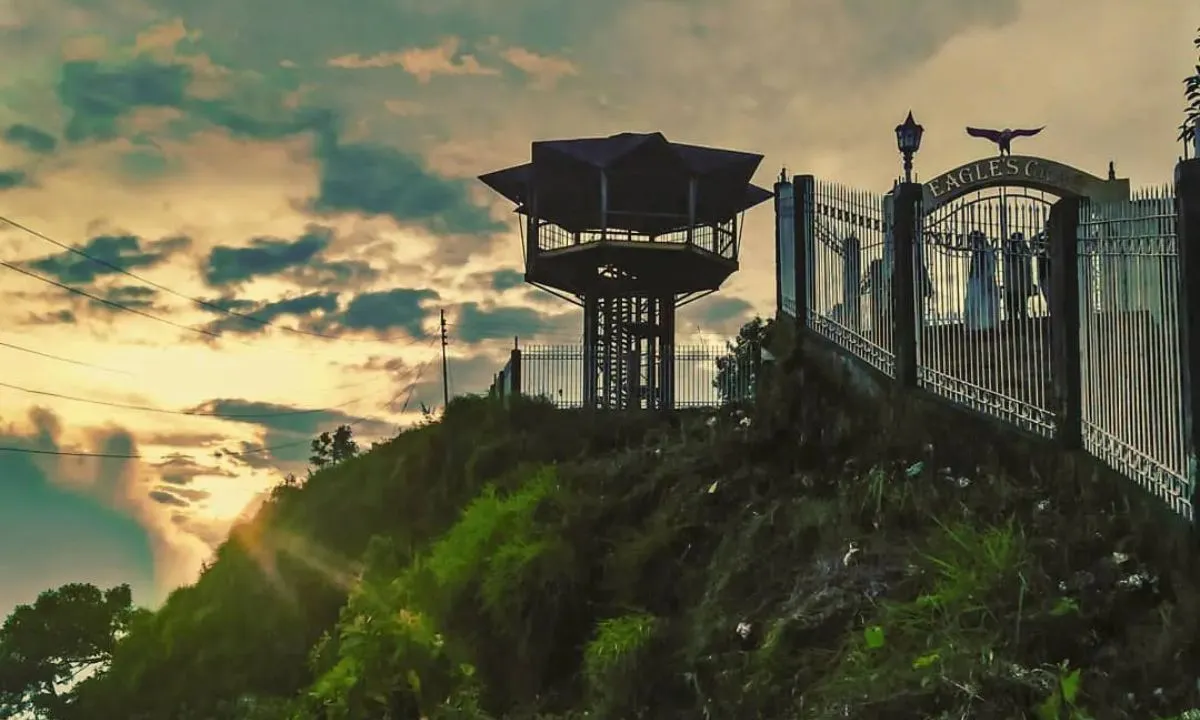
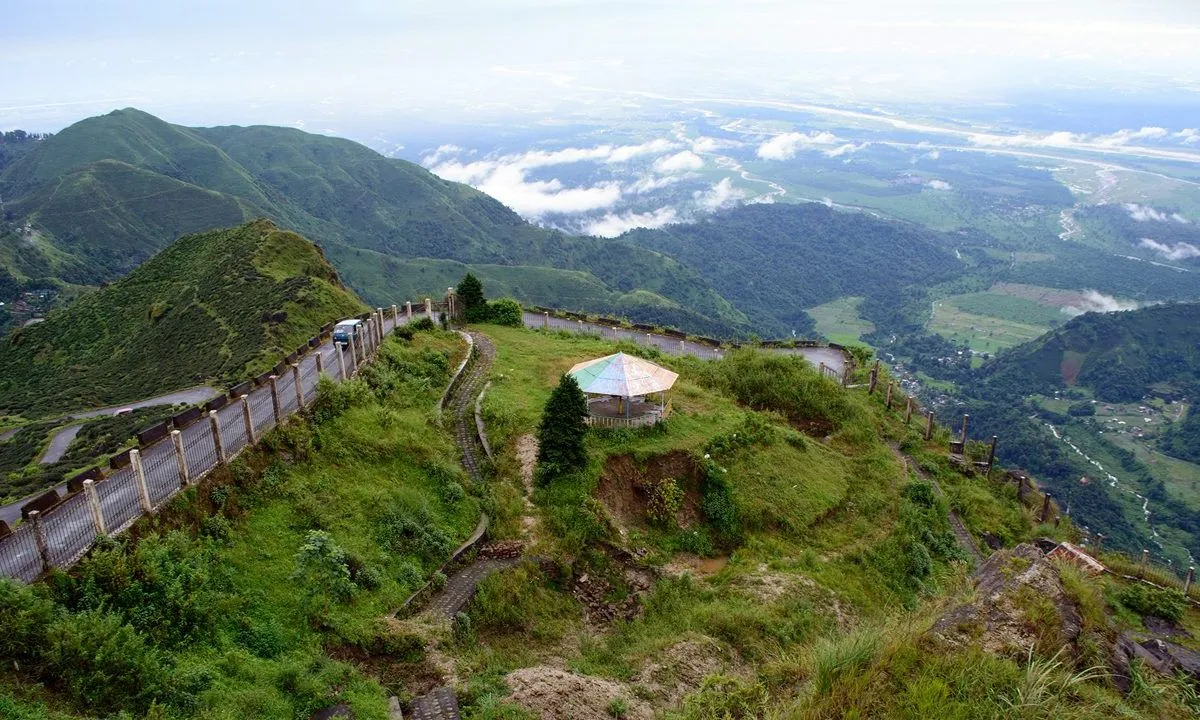
Eagle’s Crag (E.C) Kurseong Tourist Places
This is Kurseong’s classic viewpoint with a watchtower and a landscaped hilltop garden at one of the highest points in town, offering wide panoramas toward the plains and Siliguri, especially magical in the evening lights.
Eagle’s Crag is a popular viewpoint in Kurseong, a hill station in West Bengal, India. It is situated about one kilometer from the Kurseong Railway Station and is known for its breathtaking panoramic views. From the observatory, which is accessed via a spiral staircase, visitors can see the lush green slopes of Kurseong, the Siliguri plains, the Teesta River, and on a clear day, the majestic Mt. Kanchenjunga.
The site is also historically significant, as it is near a residence once used by Netaji Subhash Chandra Bose. The crag features a small, well-maintained park with a Shahid Smarak (Martyrs’ Memorial) and a cafe. It is a peaceful location, particularly popular for watching both sunrise and sunset.
The best time to visit is from March to June and September to December when the skies are typically clear. The viewpoint is accessible by a short walk or taxi ride from Kurseong town.
[Click Here For More: Eagle’s Crag]
Giddapahar View Point Kurseong Tourist Places
Located near the Netaji Memorial, this viewpoint rewards visitors with sweeping valley views and, on clear days, distant sights of Kanchenjunga after a brief stair climb.
Giddapahar View Point is a must-see in Kurseong, offering breathtaking panoramic views of the Himalayas, including the snow-capped Kanchenjunga on a clear day. You can also see the Teesta River and the charming town of Kurseong nestled in the valley. The best time to visit is during the post-monsoon season (October-November) and spring (March-April), and it is recommended to go early in the morning for the best visibility. The viewpoint is easily accessible by a short taxi ride from Kurseong town, though some visitors also choose to walk. It is a tranquil spot that provides a serene experience for nature lovers and photographers.
[Click Here For More: Giddapahar View Point]
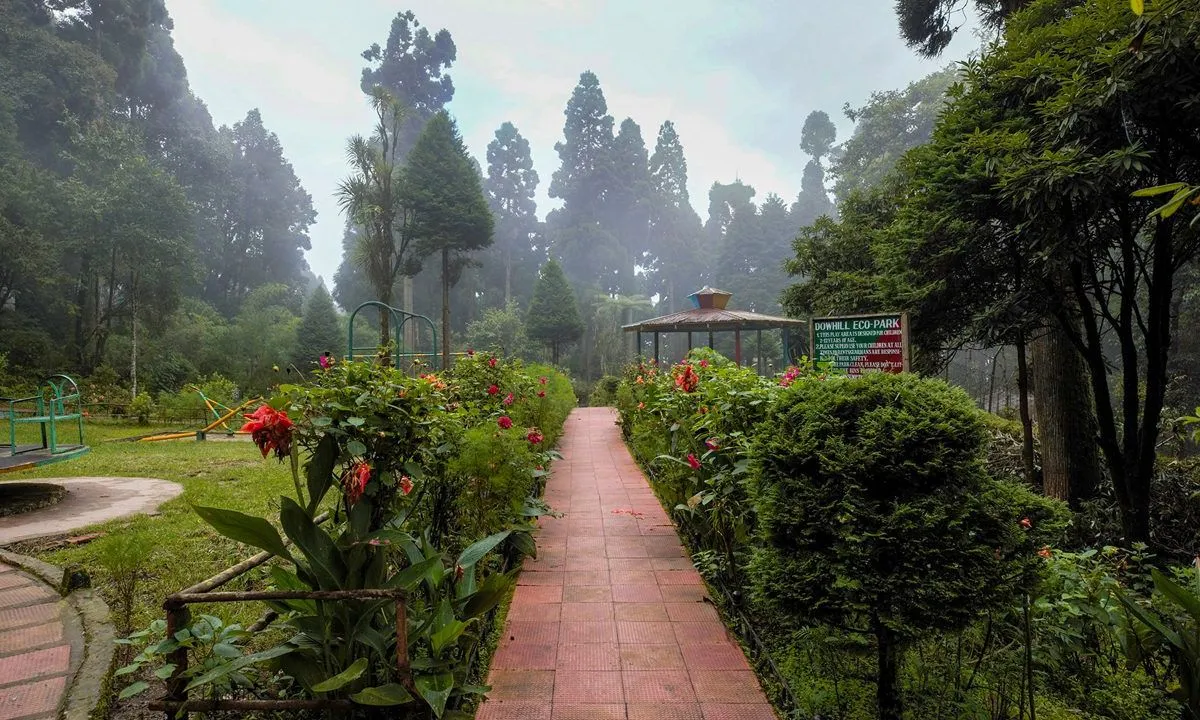
Dow Hill Eco Park (Deer Park) Kurseong Tourist Places
A calm forested area just about 1km from the town center, good for spotting small birds, enjoying pine-scented walks, and taking a quiet break in nature.
Located in Kurseong, the Dow Hill Eco Park, also known as Deer Park, is a must-visit destination for nature lovers. This tranquil sanctuary offers a serene atmosphere with its lush greenery, diverse flora and fauna, and towering pine trees. Visitors can enjoy a variety of activities, including walking along scenic trails, admiring panoramic views from designated viewpoints, and having a peaceful picnic. The park also features a children’s play area, making it a great spot for families. It is recommended to visit during spring (March to May) or autumn (September to November) for the most pleasant weather. The park is a part of the mystical Dow Hill area, known for its serene yet somewhat mysterious surroundings. Remember to be a responsible visitor by staying on the marked trails and not littering.
[Click Here For More: Dow Hill Eco Park (Deer Park)]
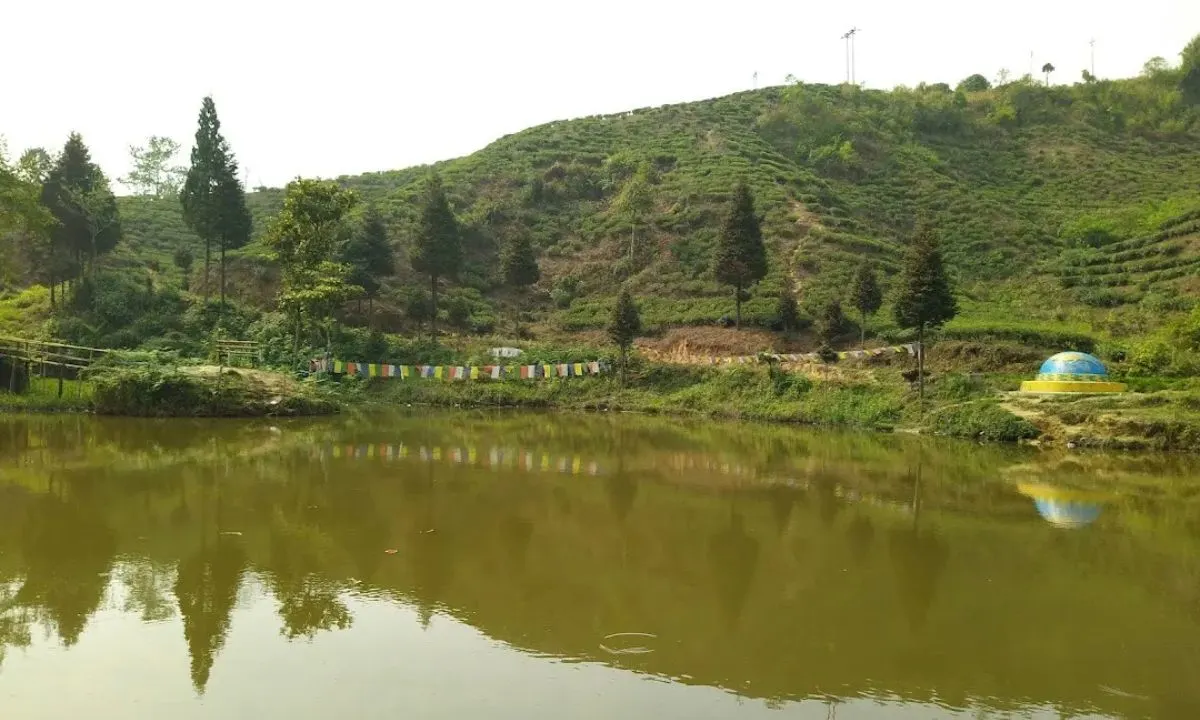
Bhangzang Salamander Lake Kurseong Tourist Places
A lesser-known nature spot noted on some local lists, suited to travelers who enjoy offbeat, quiet corners near Dow Hill.
Bhangzang Salamander Lake, a pristine natural site located in the Dhotrey area near Kurseong, is an important habitat for the rare Himalayan Newt, or Salamander. Beyond its ecological significance, the lake is a tranquil tourist destination offering a peaceful escape with clean air and beautiful views of the surrounding mountains. Visitors can enjoy a variety of activities, including trekking and nature walks on the surrounding trails, photography, and bird watching. The best time to visit for a comfortable experience is between October and November or March and May. The lake is approximately a 45-60 minute drive from Kurseong town. This destination complements other local attractions such as the historic Darjeeling Himalayan Railway and the famous tea gardens of Makaibari and Castleton, making it a valuable addition to any Kurseong itinerary.
[Click Here For More: Bhangzang Salamander Lake]
Heritage, Museums, and Colonial Traces in Kurseong
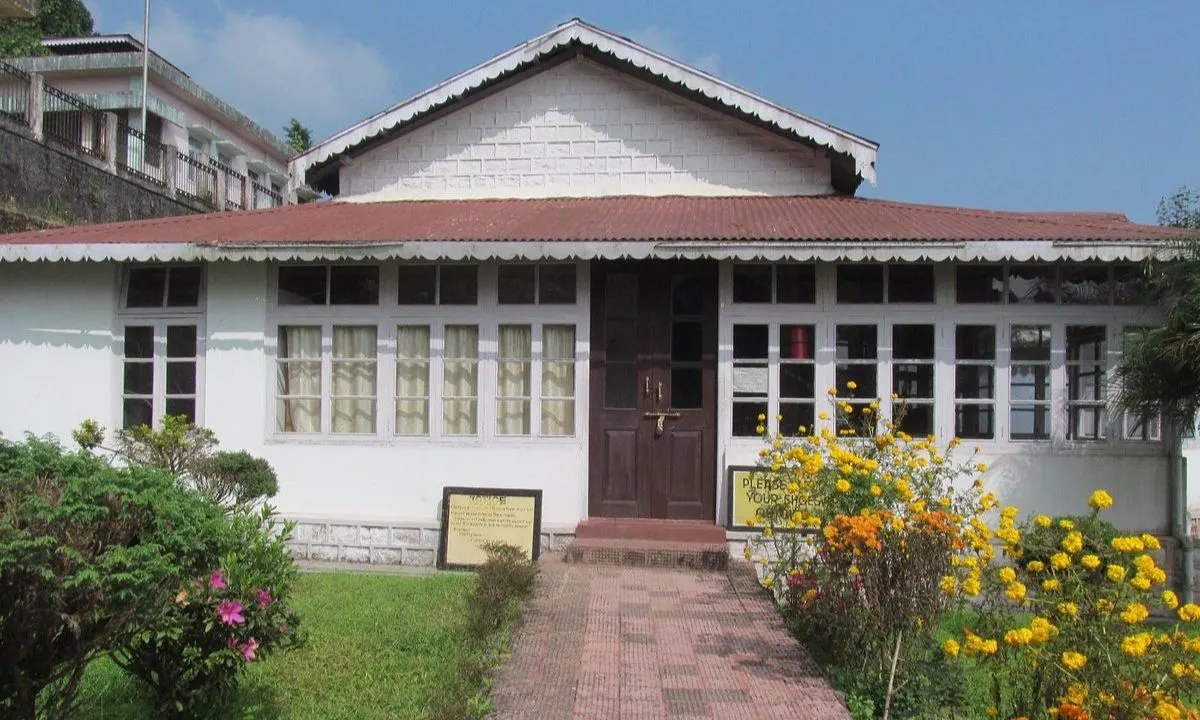
Netaji Subhash Chandra Bose Museum (Giddapahar) Kurseong Tourist Places
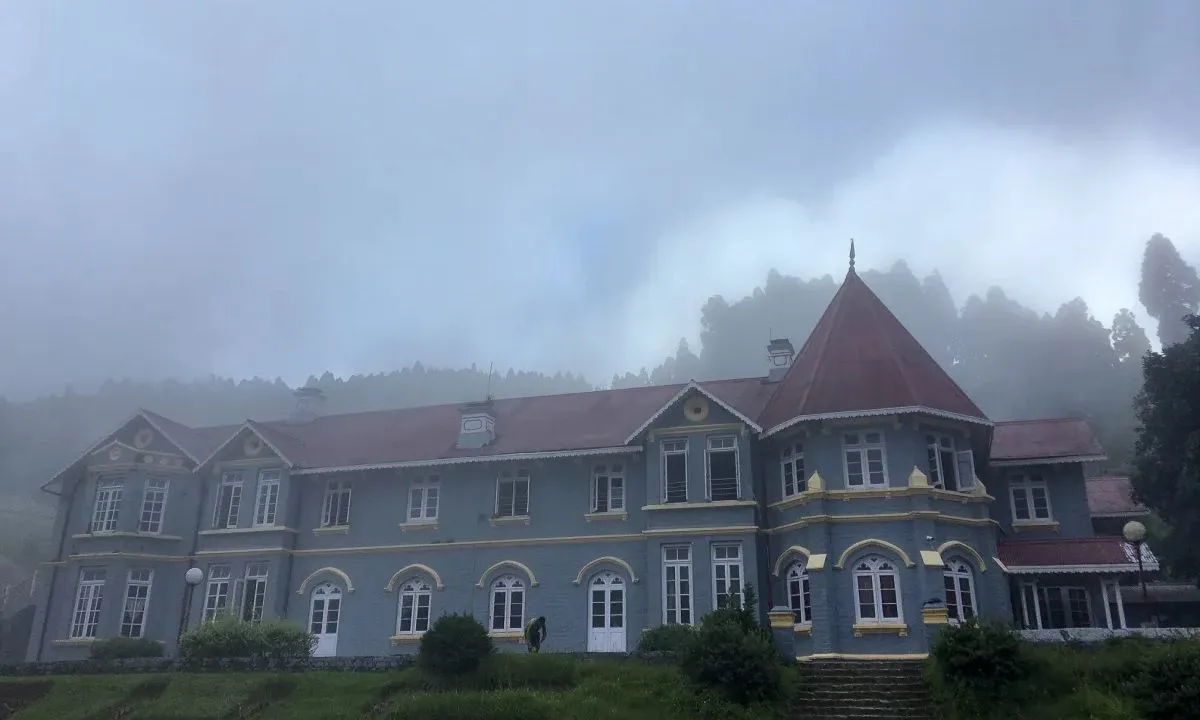
A compact, well-kept museum that preserves letters, furniture, and articles connected to Netaji’s life, making it a meaningful stop for history lovers.
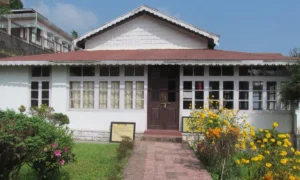
The Netaji Subhash Chandra Bose Museum in Giddapahar, Kurseong, is a historically significant site where the freedom fighter stayed in 1939. This preserved bungalow serves as a time capsule, showcasing his personal belongings, historical documents, and photographs from a crucial period in India’s struggle for independence. Visitors can explore the well-maintained exhibits and gain a deeper understanding of Netaji’s legacy and sacrifices. The museum is a must-visit for anyone interested in Indian history and is a key attraction in Kurseong.
[Click Here For More: Netaji Subhash Chandra Bose Museum]
Forest Museum Dowhill Kurseong Tourist Places
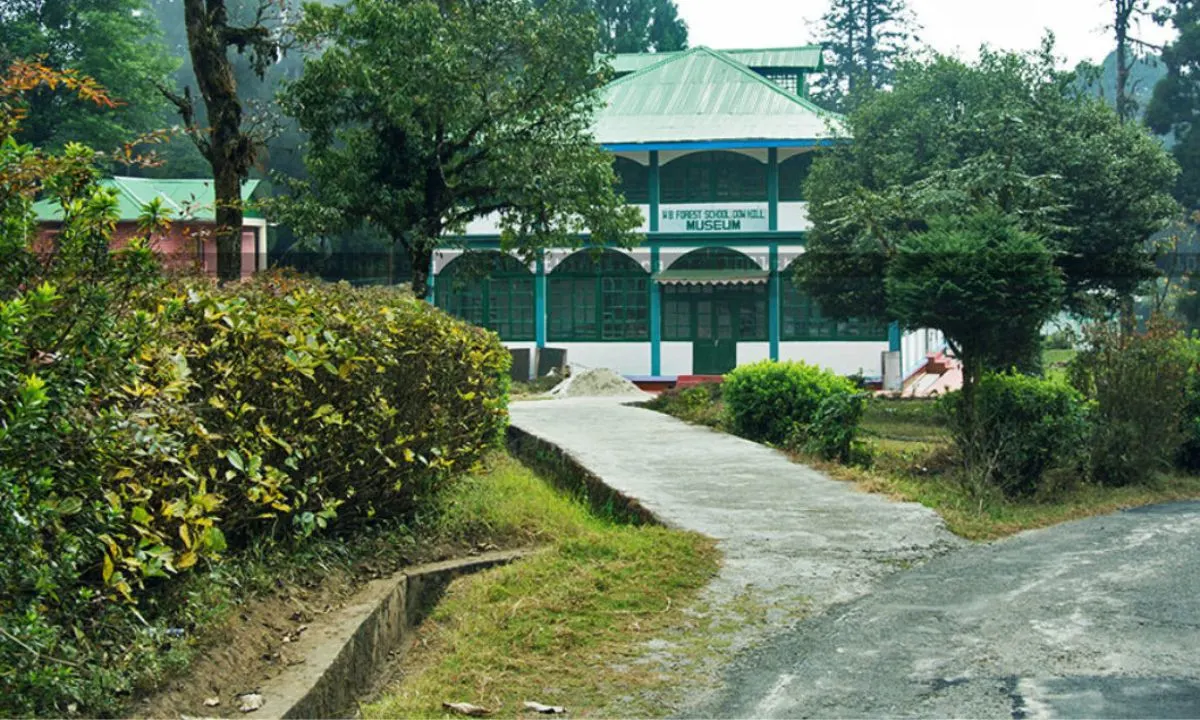
A small museum where visitors can learn about local flora and fauna, adding context to the surrounding woodland and hills.
Located in a peaceful setting in Dowhill, the Forest Museum is a “portal to the region’s rich colonial history and natural heritage.” Established during the British Raj, it was originally a research and education center for managing timber resources. The Dowhill Museum showcases a variety of exhibits, including different types of wood, wildlife taxidermy, historical documents, old maps, and botanical collections. The surrounding area offers a serene nature trail. The museum is open from 10:00 AM to 4:00 PM. While local folklore mentions the area being haunted, the article clarifies that the true essence of Dowhill is its tranquility.
[Click Here For More: Forest Museum, Dowhill Kurseong]
British-era Churches and Schools Kurseong Tourist Places
St. Paul’s Church (1905), St. Andrew’s Church, and St. Mary’s Hill Church are noted for colonial architecture and peaceful settings that frame Kurseong’s historic character.
Tea Gardens and Tasting in Kurseong Tourist Places
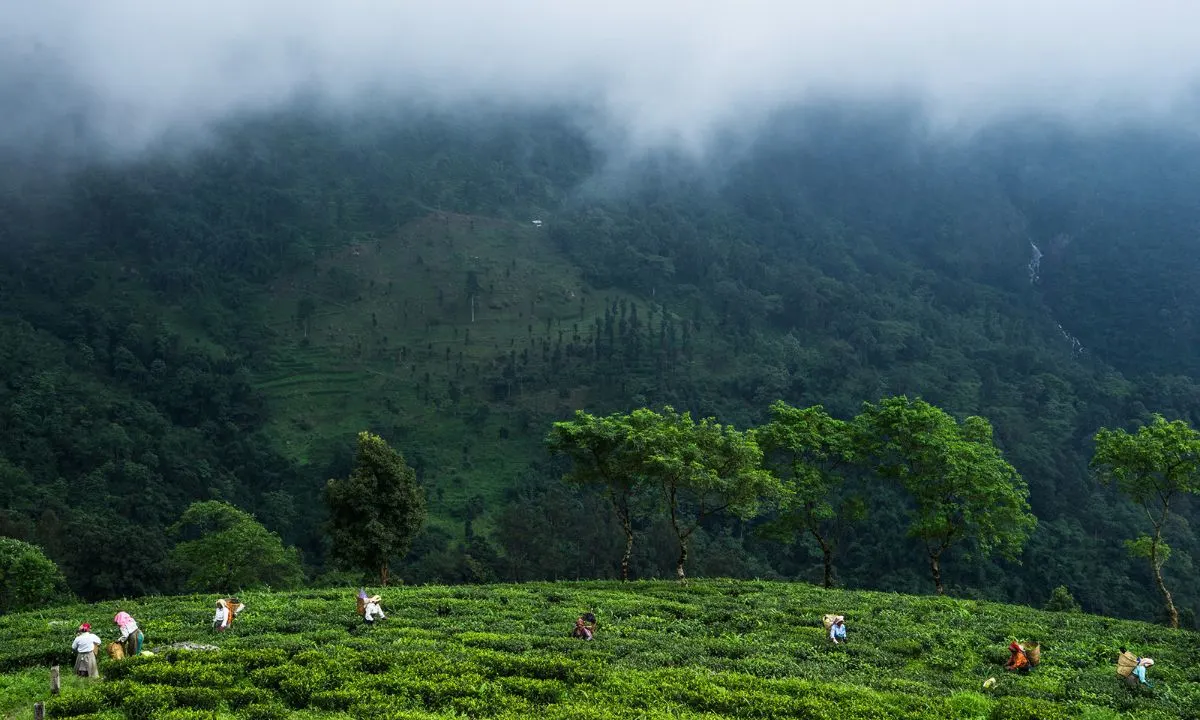
Makaibari Tea Estate Kurseong Tourist Places
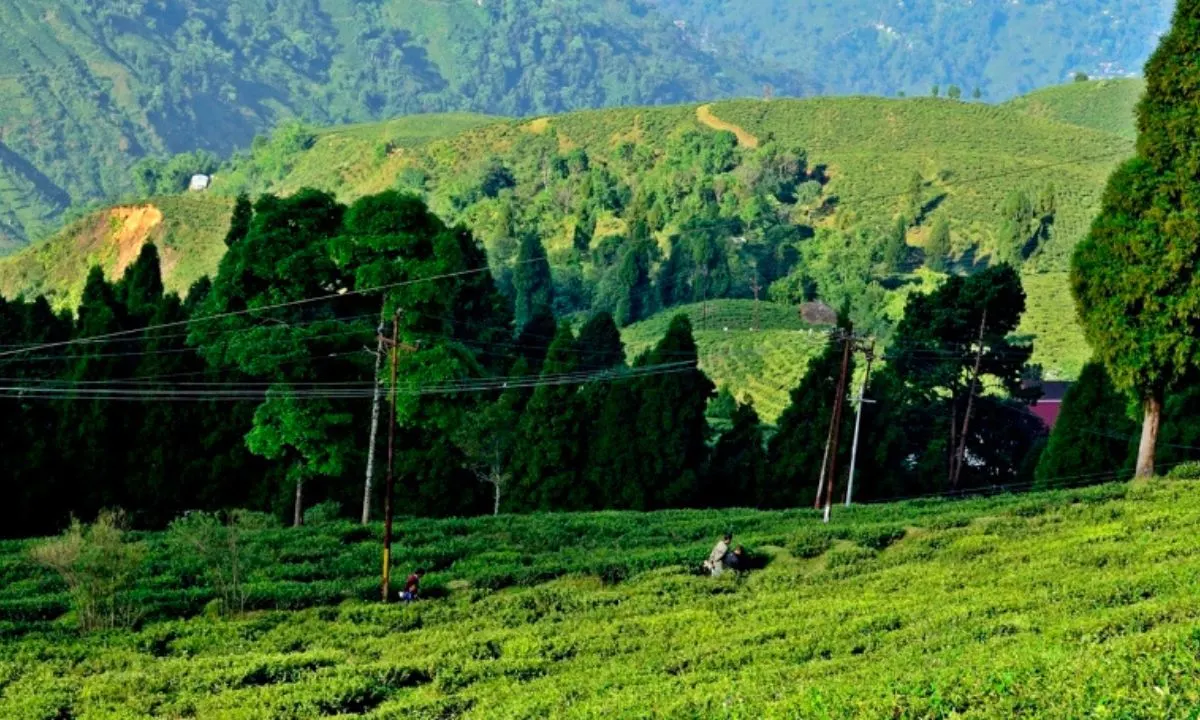
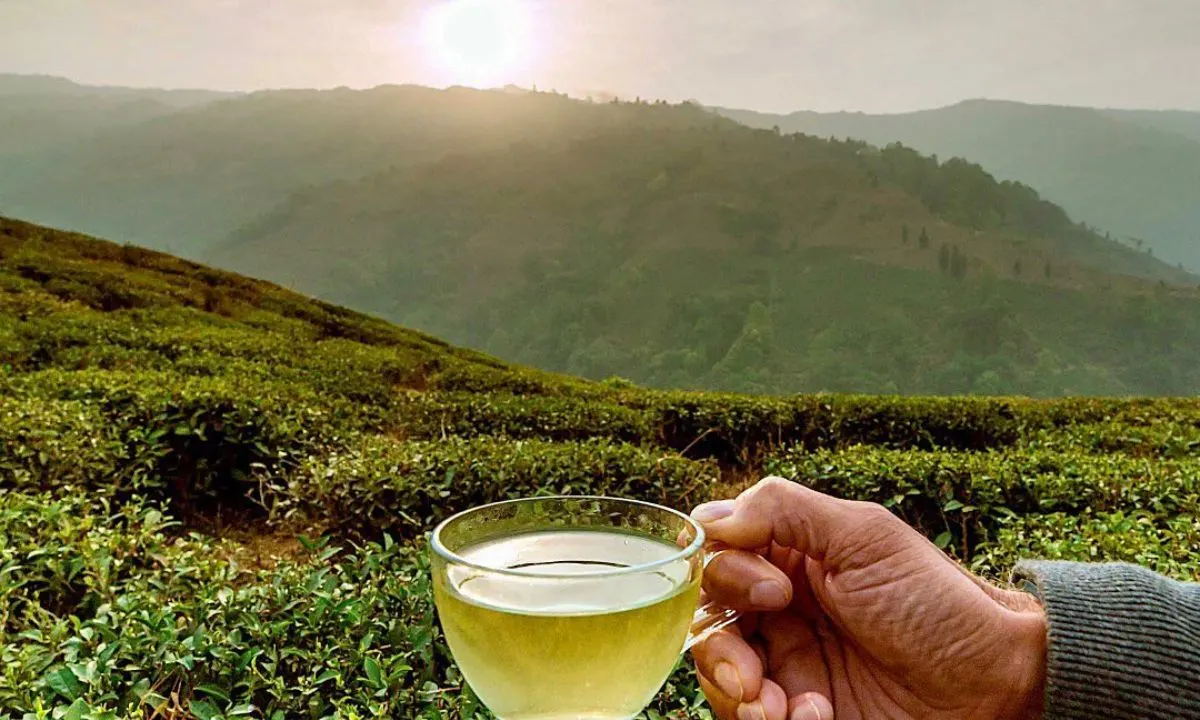
One of the most celebrated tea estates around Kurseong, visitors can walk the slopes, learn about tea processing, and enjoy tasting sessions when available.
Makaibari Tea Estate in Kurseong, West Bengal, is a historic tea plantation known for its commitment to biodynamic farming and community empowerment. It offers a unique travel experience for tea enthusiasts and those seeking a tranquil escape. Visitors can enjoy an authentic homestay with local families, providing an opportunity for cultural immersion. Key activities include factory tours that detail the tea-making process, nature walks, bird watching, and interacting with the local community. The best times to visit are during spring (March to May) and autumn (September to November). The estate is conveniently located near Bagdogra Airport (IXB) and New Jalpaiguri railway station (NJP).
[Click Here For More: A Travel Guide to Makaibari Tea Estate]
Ambootia (Ambotia) Tea Estate Kurseong Tourist Places
Another prominent estate where the small Shiv Mandir and scenic gardens offer a blend of spiritual calm and scenic beauty.
Ambootia Tea Estate, established in 1860, is a must-visit destination in Kurseong, known for its commitment to organic and biodynamic farming. Visitors can explore the tea factory, stroll through the gardens, and enjoy tea tasting sessions featuring varieties like First Flush and Second Flush. For a deeper experience, you can even stay at the estate’s historic heritage bungalow. The best time to visit is during spring (March to May) and autumn (September to November) to witness the active tea production. A trip to Ambootia offers a unique blend of nature, history, and the art of tea making.
[Click Here For More: Travelers Guide to Ambootia Tea Estate Kurseong]
Castleton and other gardens
The slopes around Kurseong are lined with storied gardens that lend the town its lush, photogenic charm and tea culture.
Temples and Sacred Spaces in Kurseong Tourist Places
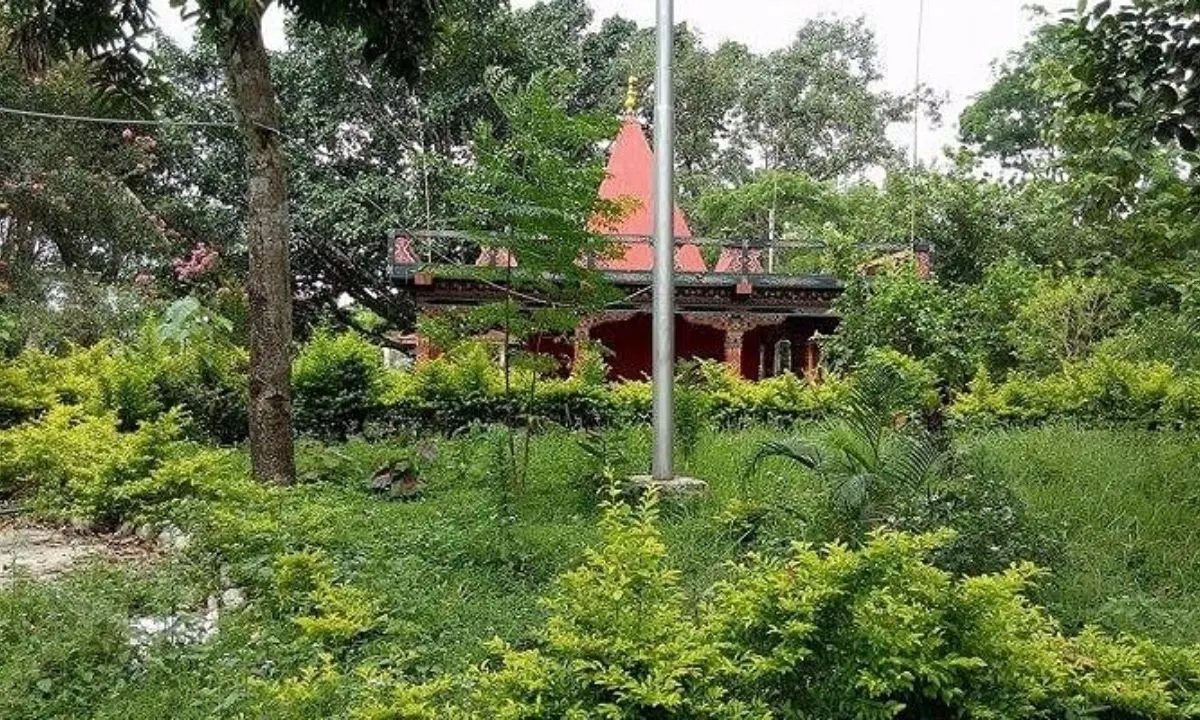
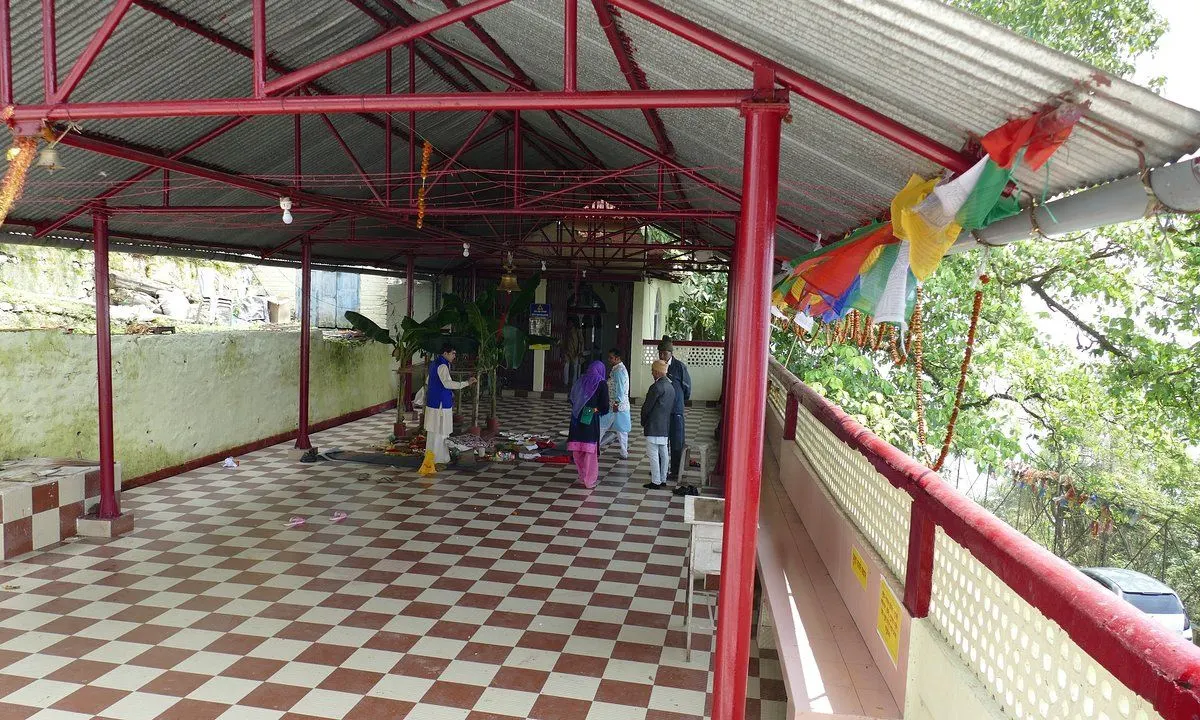
Ambotia Shiva Mandir Kurseong
A serene temple located within Ambootia’s green estate that many travelers pair with a relaxed garden walk.
Located within the picturesque Ambotia Tea Estate, the Ambotia Shiva Mandir is a tranquil monastery-style Hindu temple dedicated to Lord Shiva. This revered site is not only a place of worship but also a popular tourist attraction known for its peaceful ambiance and stunning natural surroundings. Visitors can enjoy excellent views of the surrounding tea plantations and a lovely orange orchard adjacent to the temple. A unique feature of the temple is its Shiv-Linga, which is an old tree trunk that locals believe miraculously continues to grow over time.
[Click Here For More: Travelers Guide to Ambotia Shiva Mandir Kurseong]
Giddapahar Seti Mata Mandir Kurseong
A popular local temple known for its sacred significance and hill setting, often included on short town circuits.
The Giddapahar Seti Mata Mandir, also known as the White Temple, is a significant spiritual site in Kurseong, West Bengal. Dedicated to Goddess Durga, the temple’s pure white structure is believed by locals to protect the town. The best time to visit is from September to November or March to May. Visitors can reach the temple by hiring a local taxi or trekking up the hill. There is no entry fee, and visitors are advised to wear modest clothing and remove their shoes before entering. The temple is also close to other attractions like Eagle’s Crag.
[Click Here For More: Travelers Guide to Giddapahar Seti Mata Mandir Kuresong]
Quick Day Plans in Kurseong Tourist Place
- One day: Start at Eagle’s Crag for early views, visit the Darjeeling Himalayan Railway Museum in town, and wind down at Ambotia Shiva Mandir for a peaceful close.
- Two days: Add Forest Museum and the Netaji Museum for heritage depth, then stroll Dow Hill Eco Park and catch sunset at Giddapahar or Eagle’s Crag.
- Three days: Include a guided tea garden tour at Makaibari or Ambootia, sample local eateries on Hill Cart Road, and consider an offbeat detour like Sitong or Chimney for rural charm.
When to Visit, Climate, and Crowd Pacing in Kurseong Tourist Places
Kurseong’s climate stays pleasant for most of the year, with many travelers favoring late March to June for mild spring and clear views, and late August to October after the monsoon for fresh, green landscapes. Because Kurseong is quieter than Darjeeling, weekends can still feel calm, though sunrise and sunset around popular viewpoints can draw small crowds in peak months.
Getting There and Local Transport
- From Darjeeling: Road distance is roughly 28–29km, taking about 30–40 minutes by car when traffic is light, or visitors can ride the heritage train for about 2.5 hours for a scenic, unhurried experience.
- By Train: The Darjeeling–Kurseong narrow-gauge route usually takes about 2:30 hours, making it a nostalgic, slow-travel option with wide window views.
- Around Town: Short taxi hops and easy walks connect most central attractions, while Dow Hill and viewpoints may require brief climbs on stairways or slopes.
Sample 2-Day Itinerary with Keywords Kurseong Tourist Places
Day 1: Town Core, Viewpoints, and Museum
- Morning: Eagle’s Crag viewpoint for sunrise, garden stroll, and photos of the plains and river valleys.
- Late Morning: Netaji Subhash Chandra Bose Museum at Giddapahar for a focused history hour.
- Afternoon: Giddapahar View Point for valley panoramas, then tea and snacks on Hill Cart Road.
- Evening: Walk through central tea shops and pick up local tea varieties to take home.
Day 2: Forest Calm and Tea Culture
- Morning: Dow Hill Eco Park (Deer Park) and Forest Museum to learn about local ecology.
- Afternoon: Makaibari or Ambootia Tea Estate for a garden tour and tasting; stop at Ambotia Shiva Mandir for a quiet spiritual pause.
- Evening: Optional quick viewpoint return if the sky clears for golden-hour photos.
Practical Tips
- Best Time: March–June and late August–October for clear views and comfortable weather.
- Pace: Kurseong rewards slow travel; plan ample time for tea estates and short forest walks rather than trying to “do it all” in half a day.
- Official Facilities: West Bengal Tourism operates a tourist lodge (also called Roudra Chhaya Tourism Property) in Kurseong, reflecting the town’s role as a recognized state destination.
- Safety and Comfort: Paths to viewpoints and within tea gardens are usually well trodden, but visitors should wear shoes with grip and carry light layers due to changing hill weather.
According to state and travel guides, Kurseong’s identity blends tea heritage, gentle viewpoints, British-era institutions, and religious sites, making it a rounded, family-friendly hill break.
Where to Stay in Kurseong
Government Tourism Property: Kurseong Tourist Lodge (Roudra Chhaya Tourism Property) sits along Hill Cart Road and offers view rooms, an in-house restaurant, and basic modern amenities like Wi‑Fi, laundry, and TV, suitable for easy town access.
Offbeat Places Near Kurseong
Sittong: A rural orange-growing belt with homestays, perfect for nature walks and quiet village life.
Chimney and Ahal Dara: Calm viewpoints and countryside lanes are ideal for sunrise or short scenic drives beyond the main town circuit.
Quick Facts Table Kurseong Tourist Places
| Topic | Handy Info |
|---|---|
| Elevation & Feel | Pleasant hill climate, around 1,458m; quieter than Darjeeling for slow travel |
| Must-See | Eagle’s Crag, Giddapahar View Point, Netaji Museum, Dow Hill Eco Park, Tea Estates |
| Best Time | March–June; late August–October for fresh post-monsoon greens |
| From Darjeeling | About 28–29km by road (~33 minutes by taxi), 2:30 hours by heritage train |
| Stay Option | Kurseong Tourist Lodge (Roudra Chhaya Tourism Property), government-run |
FAQs about Kurseong Tourist Places
1. What are the top Kurseong tourist places for first-time visitors?
Eagle’s Crag, Giddapahar View Point, Netaji Subhash Chandra Bose Museum, Dow Hill Eco Park, and tea estates like Makaibari, Ambootia are ideal highlights.
2. What is the best time to visit Kurseong for clear views?
Late March to June and late August to October offer comfortable weather and often clearer skies for viewpoints.
3. Are tea garden tours available in Kurseong?
Yes, estates like Makaibari and Ambootia often arrange tours that include processing insights and tea tasting sessions.
4. How far is Kurseong from Darjeeling and how long does it take?
By road it is roughly 28–29km and takes about 33 minutes by taxi in normal conditions; the heritage train takes about 2:30 hours and offers a scenic ride.
5. Is Kurseong good for families and seniors?
Yes, the town’s calm pace, viewpoints with gardens, museums, and short walks make it comfortable for most travelers, with taxis available for steeper stretches.
Conclusion
Kurseong tourist places offer a gentle blend of viewpoints, tea heritage, forest calm, and local history that suits travelers who value slow, scenic experiences. A focused two to three day plan with Eagle’s Crag, Giddapahar, Netaji Museum, Dow Hill Eco Park, and a tea estate tour will deliver the town’s best highlights without rush. For next steps, pick dates in spring or post-monsoon, reserve a stay near Hill Cart Road or the government lodge for easy access, and schedule a tea tour in advance for a smooth, flavorful visit. Visitors are welcome to share questions, trip ideas, or their favorite Kurseong corners to help others plan better.